
By Ryan Triphahn, Principal, Design & Program Management
When you pull up to a gas pump, it’s easy to forget the engineering happening just a few feet underground. But every safe and reliable fueling experience begins long before the dispenser ever goes in, starting with the petroleum tank drawings that guide design, permitting, installation, and long-term performance.
At WT Group, our Design & Program Management (DPM) team develops these drawings for retail fueling stations as well as for public works and municipal fuel sites. Although the end users differ, the goals are the same: build safe, compliant, long-lasting fueling systems that integrate seamlessly into their surroundings.
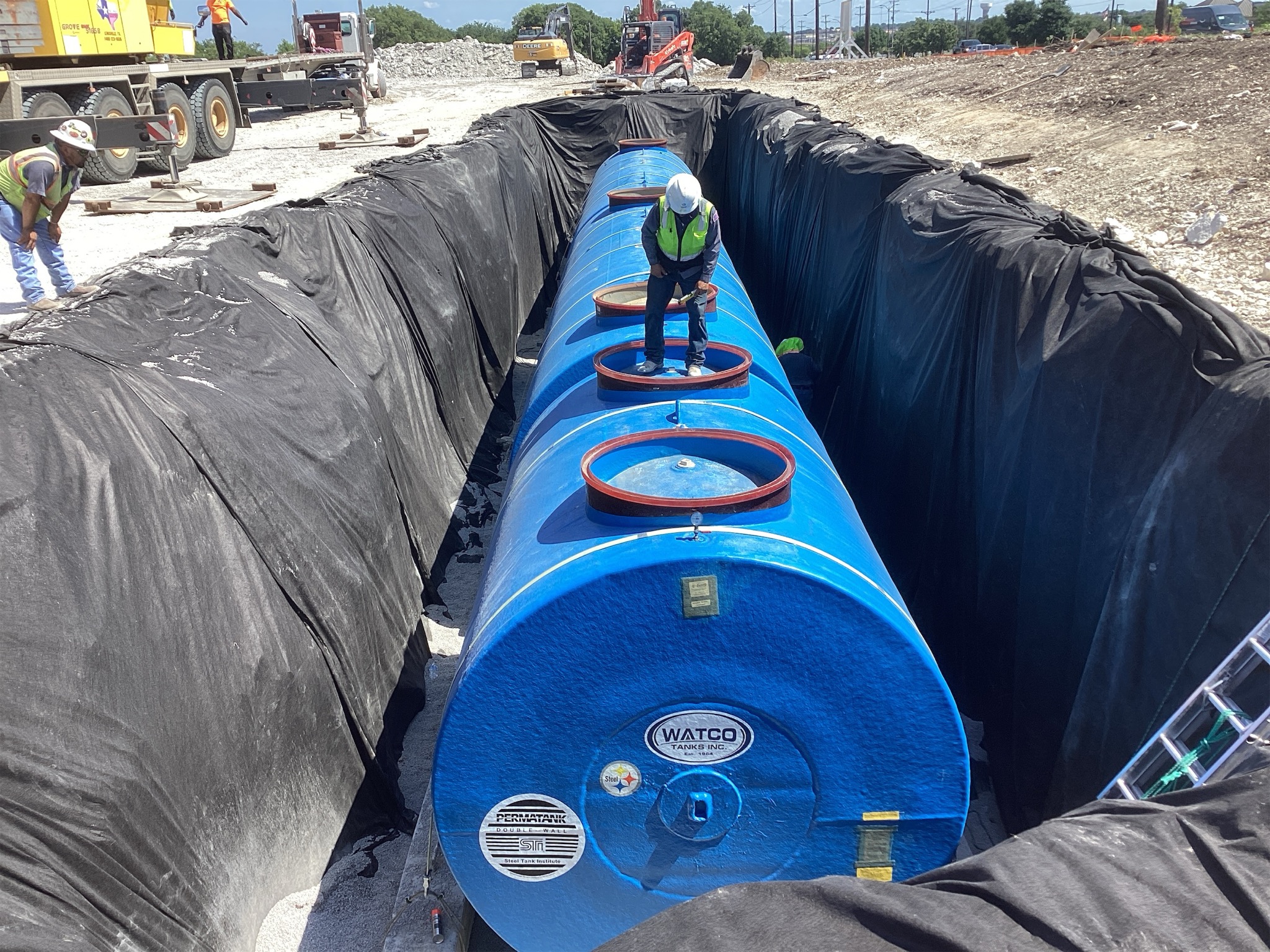
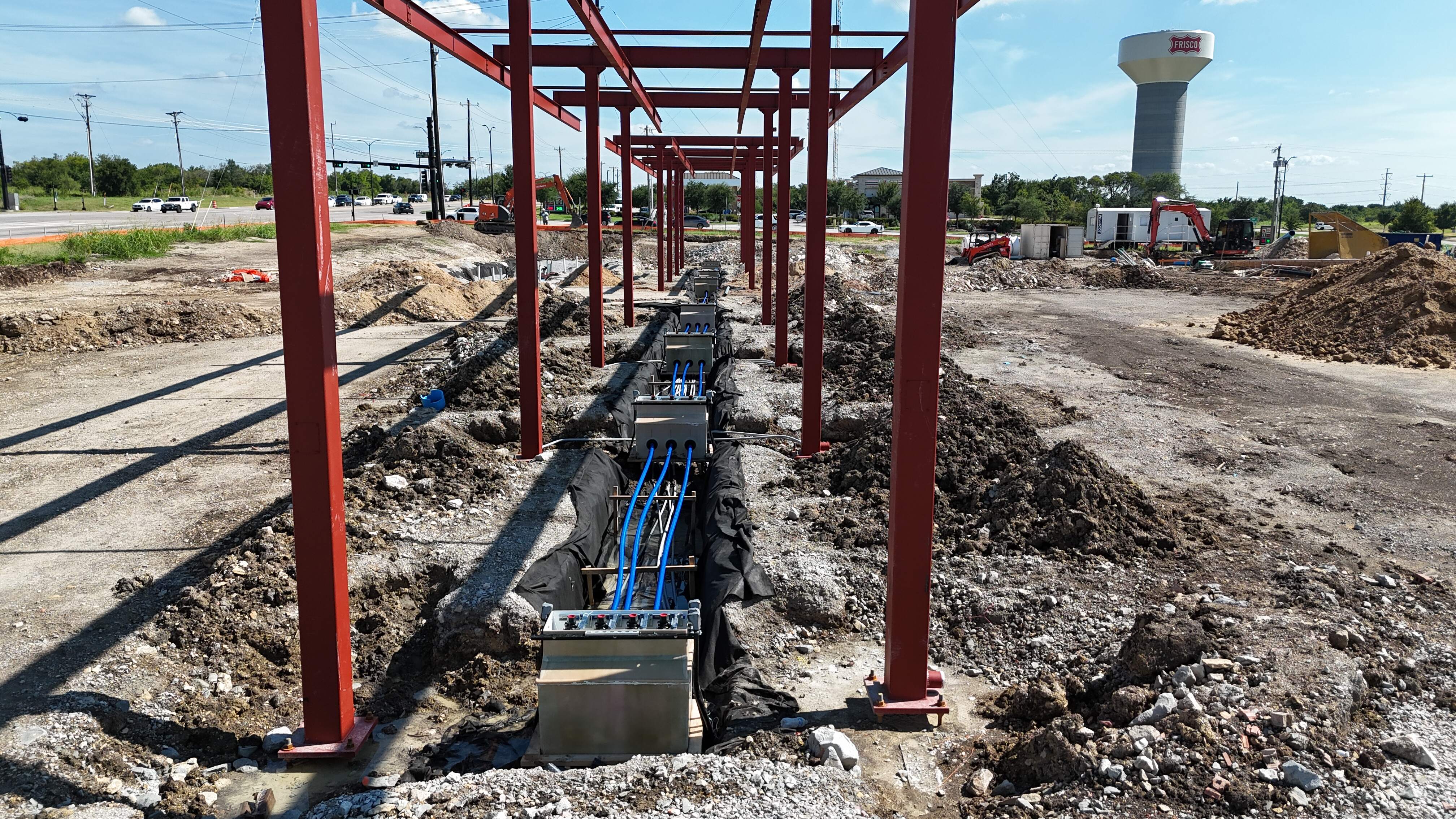
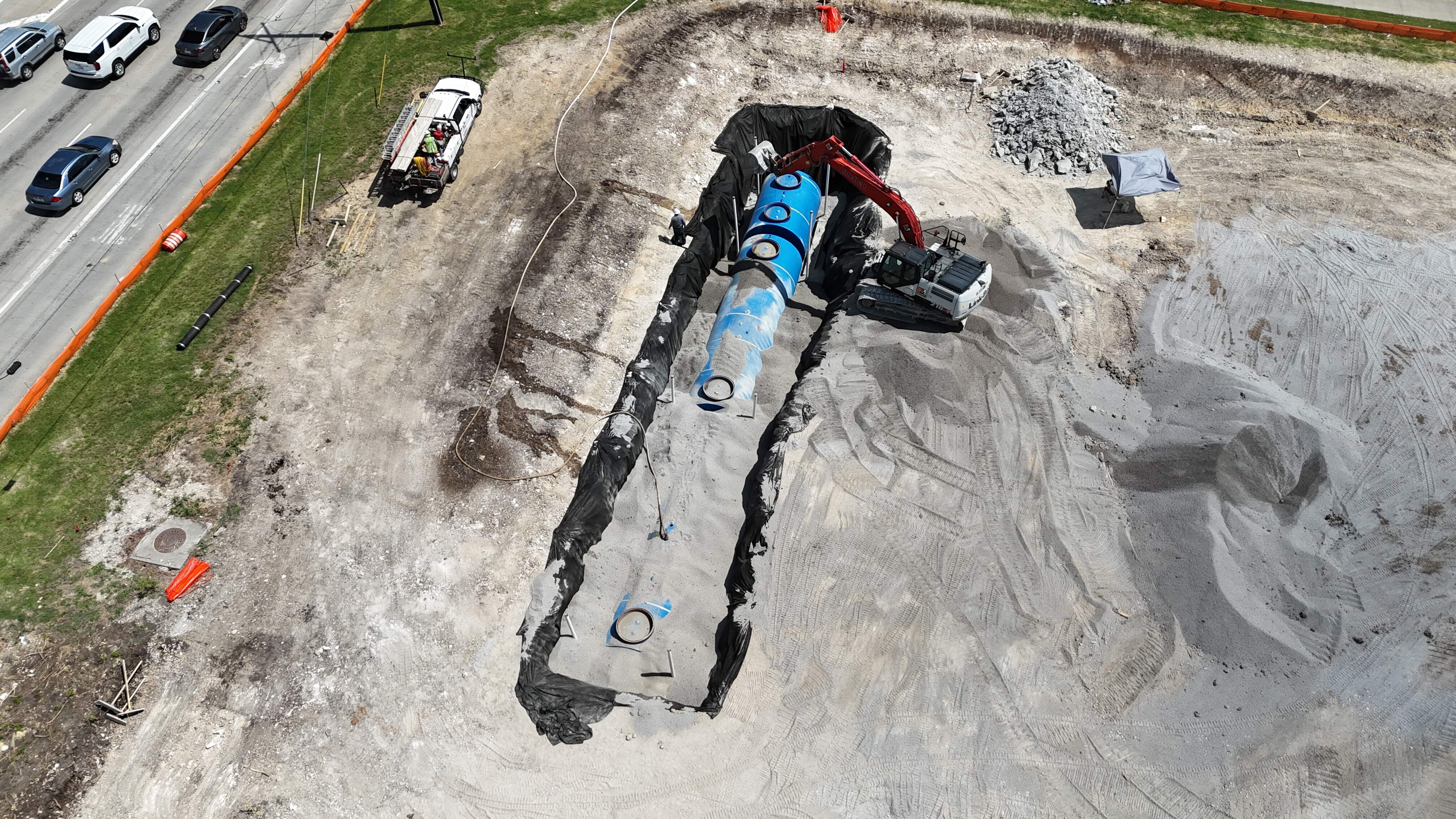
Retail fueling stations, your everyday convenience stores and gas stations, almost always involve underground storage tanks. Here, petroleum tank drawings become the roadmap for where tanks sit, how pipes run, where dispensers are placed, and how the system ties into the rest of the site. Everything must work together: pavement layouts, stormwater systems, utilities, traffic flow, and the customer experience.

These drawings also include the required setbacks, containment strategies, monitoring systems, and electrical components that keep the site safe and compliant. Even small decisions, like how close a tank can be to a building or how pipes are routed through a tight site, must meet the state fire marshal’s standards depending on the project’s location.
One of the most challenging aspects of petroleum tank design is navigating varied regulations. While Illinois uses guidelines governed by the Office of the State Fire Marshal, other states layer in additional requirements. North Carolina, for instance, mandates an extra protective containment layer on piping as well as enhanced spill buckets and sensors that immediately detect leaks.
Across every state, NFPA standards serve as a foundational reference. They require double-wall tanks, leak detection between tank walls, groundwater monitoring wells, and other environmental protections. These measures ensure that if anything ever goes wrong, the system catches it long before it reaches soil or groundwater.

Public works fueling sites follow the same engineering principles as retail, but they add unique considerations. Because these sites are only for municipal employees, they often use secure key-card access, larger canopies, and dispensers positioned for vehicles like snowplows, police cars, and utility trucks.
Some municipalities prefer aboveground tanks for easier maintenance, while others choose underground tanks for aesthetics and environmental integration. We often help screen aboveground tanks with landscape berms and architectural enclosures so they blend into the site. Whether above or below ground, the design requires careful thought about safety, screening, and durability.
Beyond public agencies, WT Group has also designed fueling systems for private, non-retail fleet operations, including school bus facilities, Pace bus depots, and even an airport jet fueling facility that required underground tanks. These projects blend the complexity of high-volume fleet fueling with heightened safety standards, operational efficiency, and—especially at airports—strict regulatory oversight.
Fueling sites are complex, and no drawing stands alone. Our DPM team coordinates every aspect from tank placement, pipe routing, electrical requirements, to storm and sanitary connections – also aligning with input from WT Group’s Civil Engineering team. This multidisciplinary collaboration reduces conflicts in the field and keeps construction moving smoothly.
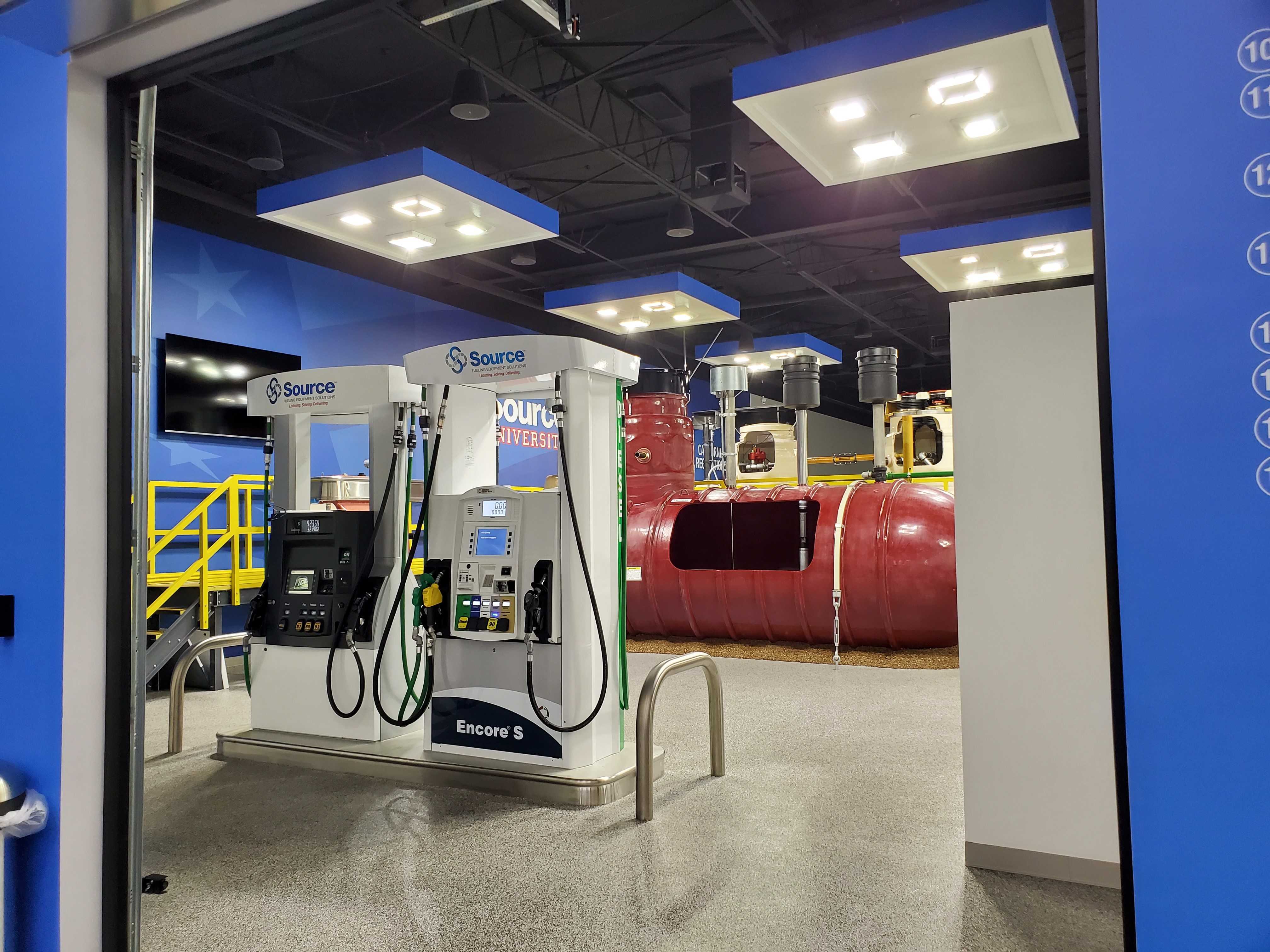
A key advantage in our process is our close relationship with Source NA, a national leader in fuel system equipment. Their team helps confirm product selections during design, and they deliver a trailer of all required parts directly to job sites. We’ve also trained with them at Source University, where full-scale tanks and dispensers allow engineers to walk through real installations. This shared knowledge helps us design systems that translate cleanly from the drawing set to successful field installation.
Petroleum tank drawings are far more than technical documents. They determine how safely and efficiently a fueling site will operate for years to come. When designed well, they streamline permitting, meet state and federal regulations, protect the environment, and ensure that construction aligns with the client’s goals from the first day of installation.
Whether we’re supporting a national retailer or helping a municipality fuel its fleet, our mission is the same: deliver clear, compliant, and coordinated designs that keep fueling systems safe, reliable, and built to last. Contact us to learn more.